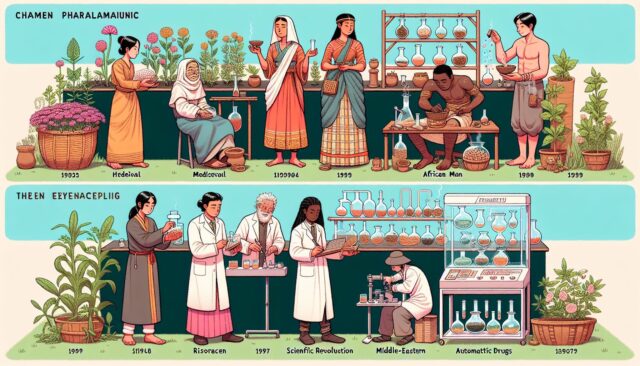
The pharmaceutical industry has played a crucial role in improving human health and quality of life. Throughout history, advancements in medicine have been driven by innovation in the pharmaceutical sector. From the discovery of penicillin to the development of life-saving vaccines, pharmaceutical companies have been at the forefront of medical breakthroughs.
One of the key drivers of progress in the pharmaceutical industry is research and development. Pharmaceutical companies invest billions of dollars each year in research to discover new treatments and cures for diseases. This investment has led to the development of a wide range of medications that have revolutionized healthcare.
In recent years, there has been a shift towards personalized medicine in the pharmaceutical industry. This approach involves tailoring treatments to individual patients based on their genetic makeup, lifestyle, and other factors. By using advanced technologies such as genetic testing and data analytics, pharmaceutical companies are able to develop more targeted and effective treatments for patients.
Another major trend in the pharmaceutical industry is the use of artificial intelligence (AI) and machine learning in drug discovery. These technologies have the potential to significantly speed up the drug development process by helping researchers identify potential drug candidates more quickly and efficiently. By leveraging AI and machine learning, pharmaceutical companies are able to bring new medications to market faster than ever before.
In addition to developing new treatments, pharmaceutical companies also play a critical role in ensuring the safety and effectiveness of medications. Regulatory bodies such as the Food and Drug Administration (FDA) set strict guidelines for the approval of new drugs, and pharmaceutical companies must adhere to these regulations to bring their products to market. This rigorous process helps to ensure that medications are safe and effective for patients.
Despite the many advancements in medicine brought about by the pharmaceutical industry, there are still challenges that need to be addressed. These include rising healthcare costs, access to medications for underserved populations, and the threat of antimicrobial resistance. However, with continued investment in research and development, collaboration among industry stakeholders, and a focus on innovation, the pharmaceutical industry is well-positioned to overcome these challenges and continue to improve human health.
In conclusion, the pharmaceutical industry plays a crucial role in driving advancements in medicine and improving healthcare outcomes for patients around the world. Through research and development, personalized medicine, AI and machine learning, and regulatory oversight, pharmaceutical companies are able to bring life-saving medications to market and improve the quality of life for millions of people. As the industry continues to evolve, it will be exciting to see what new discoveries and breakthroughs lie ahead.