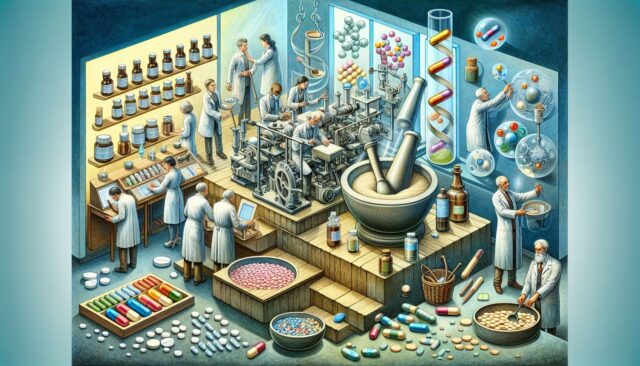
The pharmaceutical industry is a vital component of modern healthcare systems. With continuous advancements and breakthroughs in medical science and technology, pharmaceutical companies play a crucial role in developing and manufacturing medications that improve and save countless lives. This blog post explores the significance of the pharmaceutical industry in revolutionizing medicine.
Introduction: Paving the Path for Medical Advancements
For centuries, medicine has been a fundamental aspect of human life, aiming to alleviate suffering and promote well-being. The pharmaceutical industry, backed by extensive research and development, has transformed the treatment landscape by introducing a wide range of innovative medications and therapies. These advancements have not only improved patients’ quality of life but also led to the eradication of numerous diseases.
The Role of Pharmaceutical Companies
Pharmaceutical companies invest heavily in research and development to discover new drugs and treatments. This process is complex, time-consuming, and requires substantial funding, as experimental compounds undergo rigorous laboratory testing, preclinical trials, and multiple phases of clinical trials to ensure their safety and efficacy. The years of meticulous work involved are vital to obtaining approvals from regulatory authorities, such as the Food and Drug Administration (FDA), before medications can be distributed to the public.
Life-Changing Medications
The pharmaceutical industry has introduced numerous groundbreaking medications that have transformed medical practices. From antibiotics that combat bacterial infections to vaccinations that prevent deadly diseases, pharmaceutical advancements have saved millions of lives worldwide. Chronic conditions, such as diabetes, cardiovascular diseases, and asthma, can now be effectively managed through medications specifically designed to target the underlying causes of these illnesses. Furthermore, innovative therapies have revolutionized the treatment of cancer, offering previously unimaginable hope to patients facing this formidable disease.
Evolving Disease Management
Not only has the pharmaceutical industry revolutionized the treatment of diseases, but it has also contributed significantly to disease prevention and early detection. Vaccinations are a prime example of this, helping to eradicate or control diseases such as polio, measles, and hepatitis. Moreover, pharmaceutical companies have developed diagnostic tests that can detect diseases at an early stage, enabling timely intervention and improved patient outcomes.
Challenges Faced by the Pharmaceutical Industry
While the pharmaceutical industry is vital for medical advancements, it faces various challenges. Developing new medications is a costly process, requiring significant investment and substantial financial risks. Additionally, regulatory requirements and patent laws can create barriers and delays in bringing new drugs to market. Balancing profit margins with ethical considerations can be a contentious issue, as patient access to life-saving medications must be ensured, especially in underserved populations.
Conclusion: A Catalyst for Medical Progress
The pharmaceutical industry is at the forefront of medical progress, working tirelessly to discover, develop, and produce medications that improve lives. The life-changing and life-saving drugs created by pharmaceutical companies have transformed the way diseases are managed, providing hope and relief for countless individuals worldwide. By addressing challenges and embracing innovation, the pharmaceutical industry will continue to be a vital force in shaping the future of medicine and advancing global health.
References: (Insert references here)