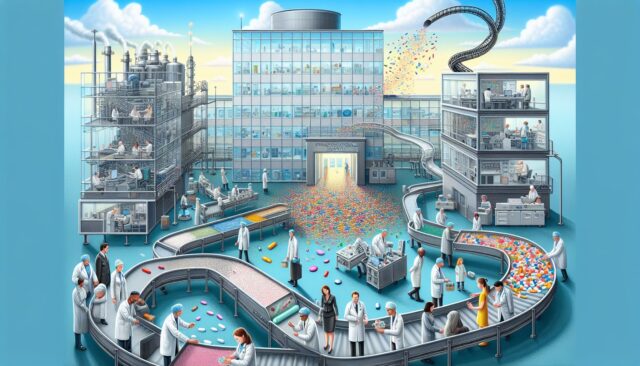
The pharmaceutical industry plays a crucial role in developing and providing medicine that improves the health and well-being of millions of individuals around the world. From discovering and researching new drugs to manufacturing and distributing them, pharmaceutical companies contribute to the advancement of medical science and the treatment of various illnesses.
The Introduction
Medicine has come a long way, and it owes much of its progress to the pharmaceutical industry. This industry is responsible for ensuring that drugs are safe, effective, and readily available to those in need. Pharmaceutical companies invest heavily in research and development (R&D) to discover new treatments and therapies. They work closely with regulatory bodies to make sure that medications are approved, and they invest in manufacturing capabilities to meet global demand.
The Body
One of the essential aspects of the pharmaceutical industry is its dedication to R&D. Developing new medicines is a complex and costly process, involving numerous stages such as discovery, pre-clinical testing, clinical trials, and approval from regulatory authorities. These stages can span over several years and require significant financial investments. However, the potential benefits of finding innovative therapies drive these companies to continue their research efforts.
Once a drug is discovered and successfully tested, pharmaceutical companies coordinate with regulatory bodies to ensure its safety and effectiveness. The regulatory approval process strives to strike a balance between making medicines available in a timely manner and guaranteeing that they meet the required quality and safety standards. This collaboration is vital in safeguarding the public and ensuring that only beneficial medications reach the market.
Pharmaceutical companies also bear the responsibility of manufacturing drugs efficiently and at scale. Establishing robust production facilities allows medications to be manufactured in large quantities and distributed worldwide. These companies must adhere to strict quality control measures to guarantee that each medication meets the designated standards. Manufacturing encompasses not only the production process but also the packaging and shipping of drugs to pharmacies and hospitals.
The accessibility and availability of medicine have improved significantly due to the global pharmaceutical industry. It ensures that drugs are manufactured and distributed efficiently, allowing patients to receive the treatments they need promptly. Moreover, pharmaceutical companies engage in partnerships with healthcare organizations, NGOs, and governments to increase access to essential medications, especially in low-income countries. These collaborations help bridge the gap between medicine and those living in regions with limited resources.
The Conclusion
The pharmaceutical industry plays a vital role in developing and providing medicine to enhance global health outcomes. Through extensive research and development efforts, pharmaceutical companies discover innovative therapies and bring them to market after thorough regulatory approval. Additionally, efficient manufacturing and distribution processes ensure that medications reach patients in a timely manner. Collaborations with various organizations further enhance accessibility and availability. Thanks to the dedication of the pharmaceutical industry, medical advancements continue, offering hope for improved treatments and a healthier future.