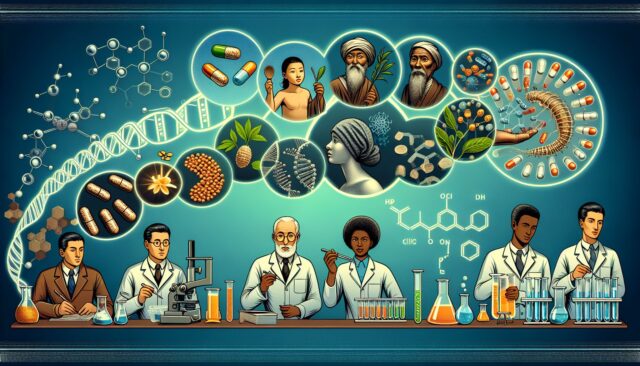
The pharmaceutical industry plays a crucial role in developing and providing medicines to improve our health and well-being. Over time, this industry has witnessed remarkable growth and achievements. From discovering life-saving drugs to revolutionizing medical treatments, the pharmaceutical industry has made significant contributions to the field of medicine. This article delves into the evolution and advancements of the pharmaceutical industry, highlighting its impact on global healthcare.
Evolution and Growth
The pharmaceutical industry has come a long way since its inception. With advancements in technology and scientific research, this industry has grown exponentially, leading to improved medical treatments and better patient outcomes. Pharmaceutical companies invest heavily in research and development (R&D), aiming to discover new drugs and therapies to combat various diseases and health conditions.
The development of medicines goes through several stages before reaching the patients. It begins with the discovery, identification, and synthesis of new compounds or molecules in laboratories. Once a potential drug is identified, it undergoes preclinical and clinical trials to evaluate its safety and efficacy. These rigorous trials determine whether the drug meets the required standards to ensure its effectiveness and minimize potential side effects.
Advancements in Medicine
Driven by scientific breakthroughs and technological advancements, the pharmaceutical industry has introduced transformative medicines that have revolutionized medical treatments across various fields. From antibiotics to vaccines, these advancements have significantly impacted global health.
The development of antibiotics was a game-changer in the pharmaceutical industry, saving millions of lives by combating bacterial infections. Penicillin, one of the first antibiotics ever discovered, transformed the treatment of diseases like pneumonia, meningitis, and syphilis. Since then, countless antibiotics have been developed, increasing our ability to fight infectious diseases effectively.
Another significant advancement in medicine has been the development of vaccines. Vaccines have played a crucial role in preventing and eradicating infectious diseases such as polio, smallpox, and measles. Thanks to vaccines, these diseases are now rare or even eliminated in many parts of the world. Vaccination campaigns have proven to be highly effective in maintaining public health and preventing outbreaks.
The pharmaceutical industry has also made tremendous progress in the treatment of chronic diseases. From diabetes to cancer, innovative medications and therapies have improved the quality of life for millions of patients globally. Targeted therapies and personalized medicine have emerged as frontiers in the battle against cancer, offering more precise and effective treatment options.
Conclusion
The pharmaceutical industry continues to evolve, driven by groundbreaking research and innovative technological tools. Its contributions to medical advancements have transformed healthcare, saving countless lives and improving patient outcomes. The development of new drugs and therapies is not only beneficial for specific diseases but also for public health as a whole.
Although the pharmaceutical industry faces challenges, such as the high costs of drug development and ensuring access to medicines, it remains a vital pillar of modern medicine and healthcare. With ongoing research and strong collaborations between pharmaceutical companies, medical professionals, and regulatory bodies, new breakthroughs hold the potential to address some of the most significant health challenges we face today.
As the pharmaceutical industry progresses, we can look forward to witnessing even more remarkable advancements in medicine, paving the way for a healthier future.