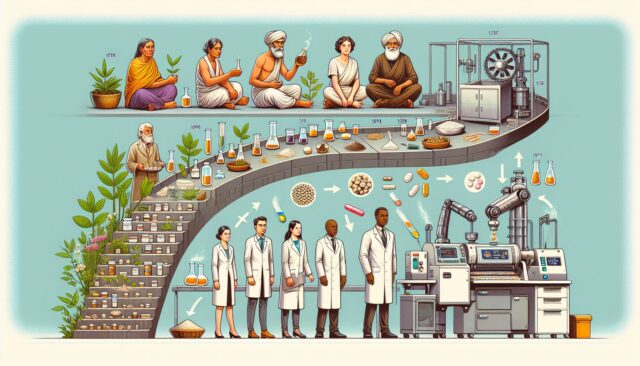
The pharmaceutical industry is a crucial component of the healthcare sector, tasked with developing, manufacturing, and marketing drugs and medications to improve and preserve human health. In recent years, the advancements made in this field have tirelessly transformed the world of medicine, offering new hope for treating various diseases and ailments. By investing heavily in research and development, the pharmaceutical industry plays a pivotal role in enhancing global healthcare outcomes.
Revolutionizing Treatment Options
Thanks to the pharmaceutical industry, today we have a diverse range of treatment options available for numerous medical conditions. From antibiotics and antiviral drugs that combat infectious diseases to cancer therapies that target specific mutations, pharmaceutical companies continually deliver groundbreaking treatments that significantly improve patient outcomes.
Moreover, the industry’s relentless efforts in drug development have paved the way for innovative therapies such as gene therapy, immunotherapy, and precision medicine. These cutting-edge approaches provide personalized treatments tailored to individual patients, maximizing efficacy while minimizing side effects. Through their tireless commitment to research, pharmaceutical companies continually revolutionize medicine, pushing the boundaries of what is possible.
Promoting Public Health and Well-being
The impact of the pharmaceutical industry extends far beyond treatment innovation. The industry also plays a vital role in developing preventive medicines, such as vaccines, to protect communities from infectious diseases. Vaccines have been instrumental in eradicating diseases like polio and smallpox, saving countless lives and improving public health worldwide.
Moreover, pharmaceutical companies actively engage in educational initiatives to raise awareness about diseases and health-related topics. By providing valuable information to the public, they empower individuals to make informed choices about their health, promote preventive measures, and encourage early disease detection. The industry’s commitment to public health goes beyond the medicines it produces; it fosters a culture of well-being and disease prevention.
Balancing Costs and Accessibility
While the pharmaceutical industry undeniably contributes to medical advancements, it also faces challenges related to drug pricing. Developing new drugs and bringing them to market often requires substantial financial investment, with research costs and regulatory requirements adding to the overall cost. This, in turn, impacts the final price of medications, sometimes causing concerns regarding affordability and accessibility.
Nevertheless, it is important to acknowledge that pharmaceutical companies actively engage in cost-benefit analyses to strike a balance between costs and accessibility. They understand the importance of ensuring that essential medicines are accessible to all who need them. Additionally, generic versions of drugs often become available after patents expire, leading to increased affordability and improved access.
Conclusion
The pharmaceutical industry continues to shape the future of medicine, enabling remarkable advancements in the treatment and prevention of diseases. Through innovation, research, and a commitment to public health, this industry plays an indispensable role in improving healthcare outcomes worldwide. While challenges around drug pricing persist, the overall impact the pharmaceutical industry has on global health cannot be overstated. As we move forward, it is crucial to encourage collaboration, transparency, and continued investment in research to drive further progress in medicine and ensure accessible healthcare for all.