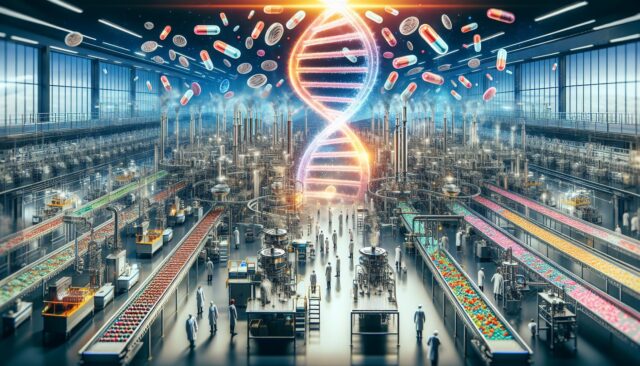
The pharmaceutical industry plays a pivotal role in revolutionizing the field of medicine. It has become the cornerstone of global healthcare, providing innovative solutions to countless diseases and improving millions of lives worldwide. Through extensive research and development, rigorous testing, and efficient manufacturing, the pharmaceutical sector continues to shape the future of healthcare.
The Introduction of Revolutionary Medicines
Revolutionary medicines have undoubtedly transformed the course of human history. From the discovery of antibiotics to the development of vaccines, the pharmaceutical industry has fueled medical breakthroughs that have eradicated diseases and saved countless lives. These advancements have not only revolutionized treatment options but also extended life expectancy and improved overall well-being.
Research and Development: The Backbone of Pharmaceutical Advancements
One cannot overstate the significance of research and development (R&D) in the pharmaceutical industry. Companies invest billions of dollars annually in groundbreaking research, aiming to discover new molecules, unlock potential therapies, and enhance existing drugs. The R&D process involves extensive clinical trials to ensure efficacy, safety, and regulatory compliance. This rigorous process guarantees that products reaching the market are tested, reliable, and effective.
Collaboration and Innovation
Collaboration between pharmaceutical companies, academic institutions, and governmental bodies is crucial for driving innovation. Sharing knowledge, resources, and expertise leads to the development of more transformative therapies and treatments. Public-private partnerships facilitate the creation of groundbreaking drugs that can target specific diseases, promising new hope for patients who have previously had limited options.
Access to Affordable Medications
While the pharmaceutical industry has undoubtedly revolutionized medicine, equitable access to affordable medications remains a significant challenge. High development costs, complex regulatory processes, and patent protection introduce hurdles to making medications accessible for all. However, efforts are continuously being made to address these issues. Governments, nonprofit organizations, and pharmaceutical companies themselves are working together to ensure affordable access to life-saving drugs across the globe.
Manufacturing and Supply Chain Efficiency
Pharmaceutical manufacturing requires adherence to stringent quality control standards to ensure drug safety and efficacy. Robust supply chain management and efficient production processes are vital to meet the increasing demand for medications. Continuous improvement in manufacturing practices and the adoption of innovative technologies have led to enhanced productivity, reduced costs, and the ability to address global health crises effectively.
The Future of the Pharmaceutical Industry
The pharmaceutical industry is poised to witness even greater advancements in the coming years. The integration of artificial intelligence and machine learning in drug discovery, innovation in biological therapies, and the development of personalized medicine hold immense potential for transforming healthcare. Collaborative efforts, regulatory reforms, and a focus on patient-centric approaches will drive the industry forward, ensuring the well-being of future generations.
Conclusion: Shaping Healthcare for a Better Future
In summary, the pharmaceutical industry serves as the lifeline for modern medicine. Its contributions, including revolutionary medicines, vast R&D efforts, collaboration and innovation, and improved manufacturing efficiency, have revolutionized healthcare worldwide. Although challenges persist, continuous efforts to address accessibility and affordability are paving the way for a brighter future. Together, healthcare stakeholders and the pharmaceutical industry can work towards creating a healthier and more inclusive world.